

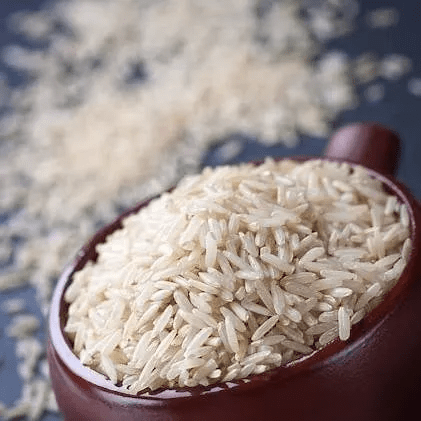
𝗝𝗮𝗽𝗮𝗻 is the last country that recently took 𝘀𝗶𝗴𝗻𝗶𝗳𝗶𝗰𝗮𝗻𝘁 𝘀𝘁𝗲𝗽𝘀 𝘁𝗼 𝗮𝗱𝗱𝗿𝗲𝘀𝘀 𝗿𝗮𝗽𝗶𝗱𝗹𝘆 𝗿𝗶𝘀𝗶𝗻𝗴 𝗳𝗼𝗼𝗱 𝗰𝗼𝘀𝘁𝘀 𝗮𝗻𝗱 𝗽𝗼𝘁𝗲𝗻𝘁𝗶𝗮𝗹 𝘀𝘂𝗽𝗽𝗹𝘆 𝘀𝗵𝗼𝗿𝘁𝗮𝗴𝗲𝘀.
Just a few days after my post about supply chain troubles (“The Age of Reckoning for Food Supply Chains”), Japan is offering us a practical example of what might be the effects of the powerful agents of change interacting with our food chain.
A new “food supply emergency measures law” recently came into effect in Japan, granting the government authority to direct agricultural producers and food businesses to increase production or imports of designated crucial foods under specific conditions of supply decline and price surges.
This legislative action follows an earlier move in February 2025, where the government released a substantial portion of its emergency rice stockpile (about 200,000 tonnes) in response to a dramatic increase in rice prices.
In Japan, food prices continue to rise, with government data showing that the cost of rice skyrocketed 90 percent in March from a year earlier, the sharpest climb since comparable data became available in 1971.
Under the legislation, 12 items — including rice, meat, soybeans, wheat, sugar, eggs, and dairy products — are categorized as crucial foods. The government will also work to strengthen the supply of fertilizers and pesticides.
If the supply of the designated foods drops by 20 percent or more below the average and prices soar, according to the local press, the government can order farmers and food-related businesses to draw up and submit plans to boost production, increase imports, or raise the volume of output sent to market.
The law also stipulates that failure to follow such a directive is punishable.
These actions highlight the government’s concern over food security in the face of climate change, geopolitical instability, and domestic economic factors.
What will be the short and long-term effects of similar measures?
Surely, staple food prices will find relief in Japan in the short term, but similar measures usually do not resolve the underlying cause of the problem (e.g., climate change, trade turbulence, wars, etc.) and in the long term do not reinforce the competitiveness of the sector interested.
Could this move have been influenced by the fear of an even more troubled future for the food supply chains, trade disruptions, or incoming war? Possibly.
The case of Japan is not as isolated as you might think.
In the EU, the European Commission has advised citizens to stockpile enough food, water, and essentials to last 72 hours as part of a new preparedness strategy to handle catastrophic events such as floods, fires, pandemics, and military attacks.
Similarly, Germany and Nordic countries, Norway in particular, launched major information campaigns urging citizens to prepare for emergencies by stockpiling essentials such as bottled water, food, candles, iodine tablets, and hard cash.
In the United Kingdom, there have been discussions about the country’s preparedness for potential food crises, especially after Brexit left the British food system much more vulnerable and dependent on foreign imports. Experts have expressed concerns that the UK is not adequately prepared for potential food crises despite principles of resilience planning that include a “whole of society” approach, prevention over cure, and risk awareness.
Everything is pointing to trouble, and if it is true that it is better to be safe than sorry, and such measures could remain just preventive tools of something that will never happen, I would have never expected to see food security back on my plate with such dramatic urgency.
Discover more from FOOD LAW LATEST
Subscribe to get the latest posts sent to your email.
