
Il Sole 24 Ore reported that 14 farms in the Pavia area allegedly sold rice and other cereals as organic while using inputs (pesticides) prohibited in organic farming. On top of such illicit profits, the companies involved were also illegitimately receiving EU funds destined for this specific sector.
The investigation began in 2023 following reports from FederBio, a sectoral trade association.
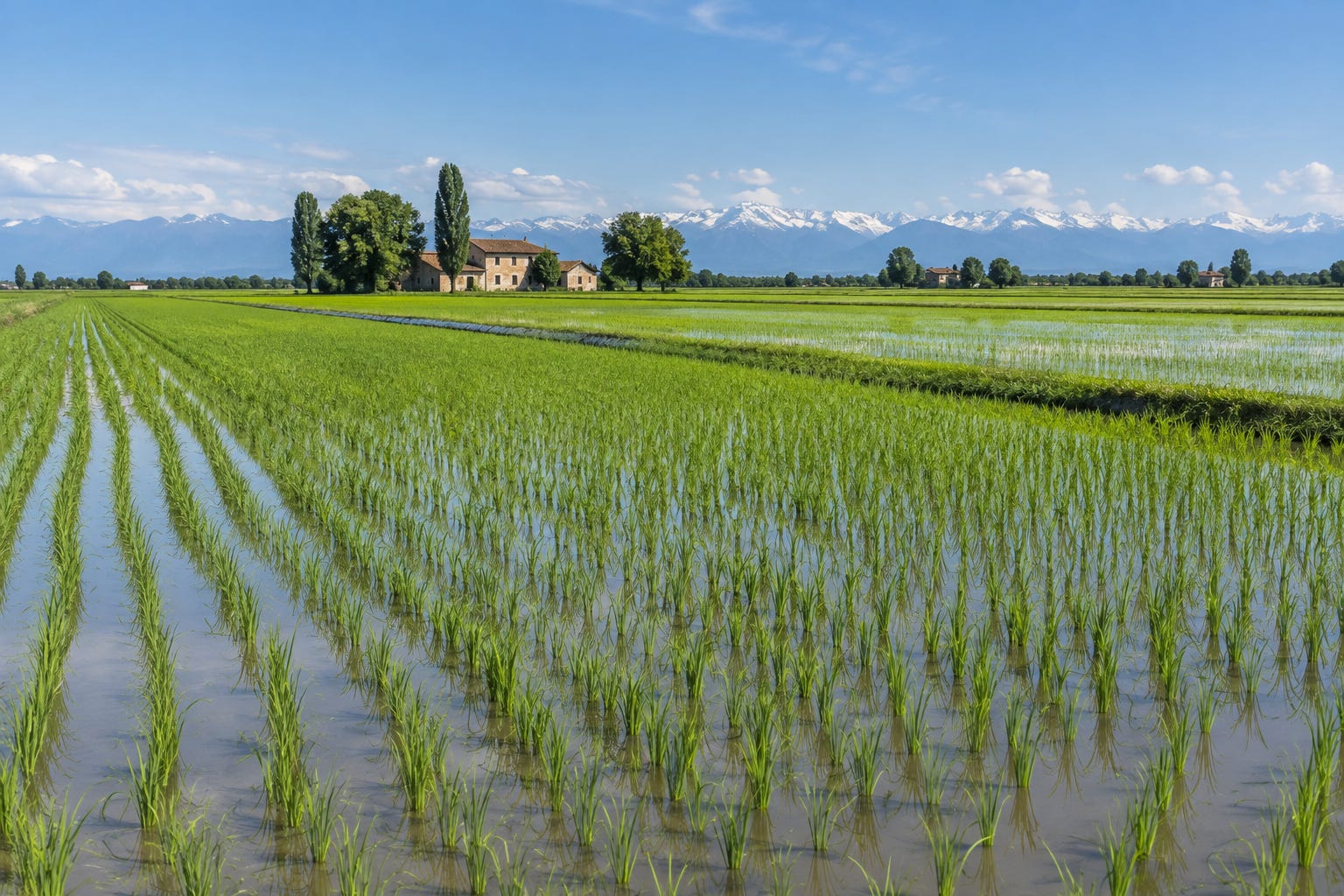
One warning sign that should always be monitored, and in this case triggered the investigation, is the yield per acre: declared production appeared incompatible with the available farmland. Phone interceptions, searches, and laboratory analyses subsequently supported the allegations.
For the rice sector drought, rising costs and pressure on farm prices should prompt a tougher look at fraud vulnerability.
Premium labels like “organic” create value; crop losses, squeezed margins, and urgent sourcing changes create incentives and opportunities for moral hazard.
Interestingly, the FAO All Rice Price Index / international export prices recorded in August 2026 a +0.5% increase and an overall +7.4% increase over August 2025, while the BMTI Italian wholesale rice price index in July 2026 rose +4.4% but still recorded a -34.9% year over year.
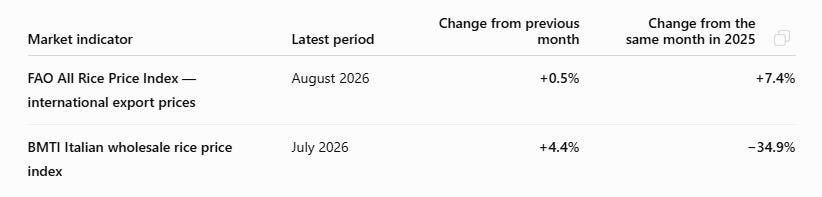
In short, rice prices are overall increasing, but not in Italy, where producers squeezed by increasing costs could have been tempted to sell conventional rice as premium organic to fill that gap.
If you were at BRCGS Connect early this year, you surely remember that rice, pistachio, and saffron were the newcomers this year in my top 10 fraudulent emerging risks.
And this was not only related to organic claims or the Italian situation. The Middle East is now in turmoil, and it is a vital crossroad for rice trade, while climate change is affecting rice cultivation also in other countries.
Rice fraud recently emerged in several countries and can assume very different forms, like varietal substitution, undisclosed blending, or false origin declarations.
UK Food Standards Agency’s 2024/25 surveillance programme identified three samples labelled Basmati containing 17%, 32% and 100% non-Basmati rice, exceeding the applicable industry code’s tolerance.
The EU Commission JRC’s latest report on food fraud for May and June 2026 mentioned:
– 4 cases of rice smuggling or selling after expiration dates in India and Bangladesh;
– thirteen people arrested in Venezuela after local police dismantled a clandestine food processing and packaging facility in Punta Cardón, Falcón State, where flour and rice were packed using the names of well -known commercial brands.
So keep an eye on your rice, and when purchasing, do not trust certificates blindly; do not rely on opportunistic last-minute buying from unknown suppliers; do not fall for unrealistic low prices. Prioritize trusted suppliers, reliable countries of origin, and test for pesticide residues or other parameters when in doubt, possibly before accepting the incoming goods.
Discover more from FOOD LAW LATEST
Subscribe to get the latest posts sent to your email.
