
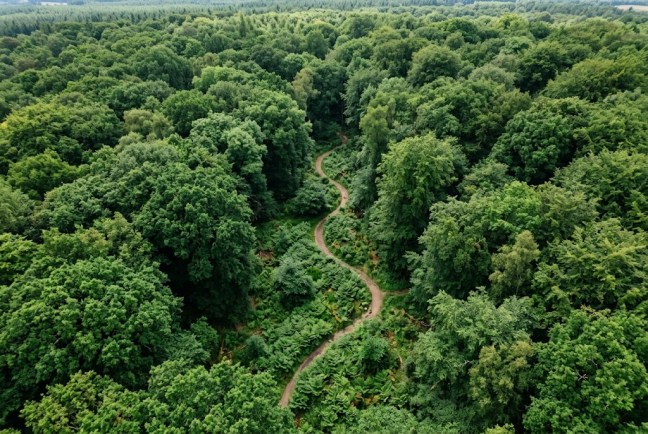
The methodology for actively assessing deforestation risk in cocoa, developed by the World Cocoa Foundation in collaboration with the Alliance of Bioversity International and CIAT, establishes a sectoral protocol aligned with the definitions in Regulation (EU) 2023/1115 on deforestation-free products, within a regulatory framework that also includes the due diligence and sustainability reporting directives.
The document comprises seven components: geolocation data collection and quality control, forest baseline definition and validation, data preparation for analysis, overlay with tree cover loss data, legal zoning analysis, verification, and a mitigation protocol. Polygons are required for plots larger than four hectares, while points are permitted for smaller plots, using WGS84 coordinates with at least six decimal places.
The forest baseline, established with reference to the cut-off date of 31 December 2020, adopts the FAO definition of forest and is preferably constructed using converging evidence from multiple datasets. Areas are classified as forest, non-forest or uncertain, with uncertain areas treated as forest as a precautionary measure.
Tree cover loss does not equate to deforestation and must be interpreted only within areas that were forest at the cut-off date. The protocol emphasises verification before exclusion to avoid unjustifiably excluding smallholders, and provides for proportionate corrective actions in accordance with the principles of the Accountability Framework Initiative.
Discover more from FOOD LAW LATEST
Subscribe to get the latest posts sent to your email.
